The Holtronic neo® TTI is an electronic time-temperature integrator that calculates the cumulative thermal load experienced by your product, not just whether a threshold was breached, but what that means for remaining shelf life. Purpose-built for pharmaceutical cold chain, with dedicated 2–8°C configurations for vaccines, biologics and refrigerated medicines.
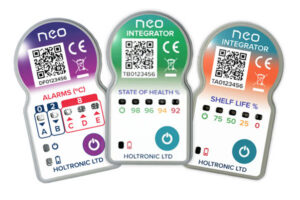
Dedicated pharmaceutical cold chain configuration
WHO, GDP & vaccine cold chain compliant monitoring — built in
A standard temperature breach indicator tells you if a threshold was crossed. A time-temperature integrator tells you what that means by calculating the total thermal load a product has experienced, weighted by time and temperature magnitude.
For products whose shelf life or potency degrades as a function of cumulative heat exposure — vaccines, biologics, blood products, insulin, diagnostic reagents — a TTI provides the only honest answer to the question every quality manager must ask: is this product still fit for use?
The Holtronic neo® TTI uses an on-board intelligent processor and a custom-programmed response curve to calculate this figure continuously and display it in real time — at the product level, without any reader device.
| Holtronic TTIs | Standard Temperature Indicator |
|---|---|
| Did it breach? Yes — above 8°C detected |
Did it breach? Yes — above 8°C detected |
| Duration 47 minutes total |
Duration 47 minutes total |
| Thermal load Calculated & integrated |
Thermal load Unknown |
| Shelf life impact 3 days assessed |
Shelf life impact Unknown |
| Product safe? ✓ Yes — no breach alert presented |
Product safe? Cannot determine |
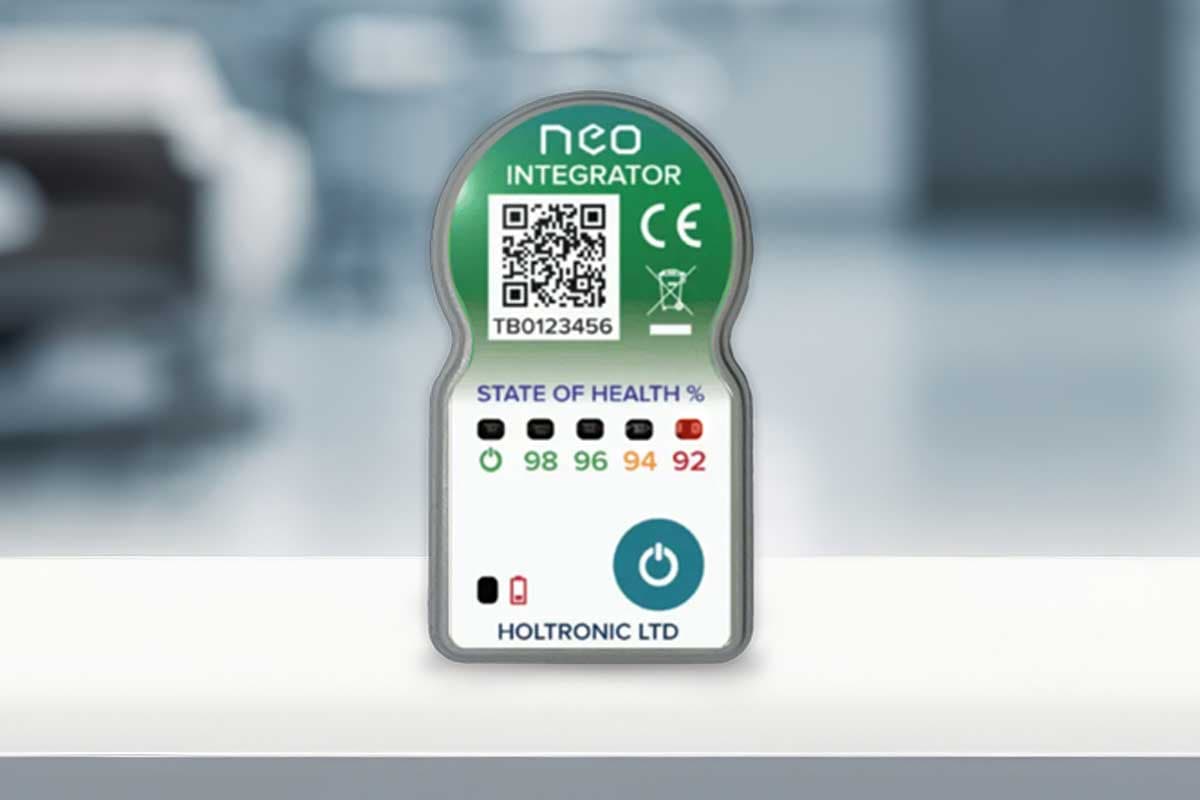
The 2–8°C range is the internationally recognised storage requirement for vaccines, most biological medicines, blood products and a wide range of conventional pharmaceuticals. It is defined by WHO guidelines, GDP regulations and national medicines agencies worldwide and any excursion outside it must be documented, assessed and acted upon.
Chemical and structural degradation begins. Vaccine potency falls. Biologic integrity compromised. Duration and magnitude determine extent of loss — which is exactly what the neo® TTI calculates.
Ice crystal formation damages biological structures. Many insulin formulations, suspensions and emulsions are irreversibly harmed by freezing, even briefly. A lower-threshold indicator is essential.
The neo® TTI’s dedicated pharmaceutical configuration monitors both the upper (8°C) and lower (2°C) thresholds of the cold chain window, calculating cumulative exposure above and below the safe range. Independent temperature alarms provide immediate LED alerts at each threshold — giving quality managers the complete picture.
The neo® TTI’s intelligence is built into the device itself. No external reader, no software, no data upload required. The shelf life calculation happens on the indicator and the answer is always visible on the LED display.
The neo® TTI is activated with a single button press at the point of product manufacture, packaging or dispatch. A programmable start delay, typically 30 minutes, allows time for the indicator to be attached to the product and placed in storage before monitoring begins, preventing false readings from handling temperature.
Once active, the Neo TTI begins continuous temperature sampling immediately. It is designed to travel with the individual product throughout its entire journey from production line to pharmacy shelf, hospital refrigerator or patient point of care.
Single-button activation — no setup or pairing |
Programmable start delay to avoid false readings |
Compact form factor attaches to individual product packs |
Operates independently — no infrastructure at point of use |
Any product whose shelf life degrades as a function of cumulative temperature exposure — not just peak temperature — is a candidate for TTI monitoring. These are the sectors where the evidence-based intelligence of the neo® TTI is most critical.
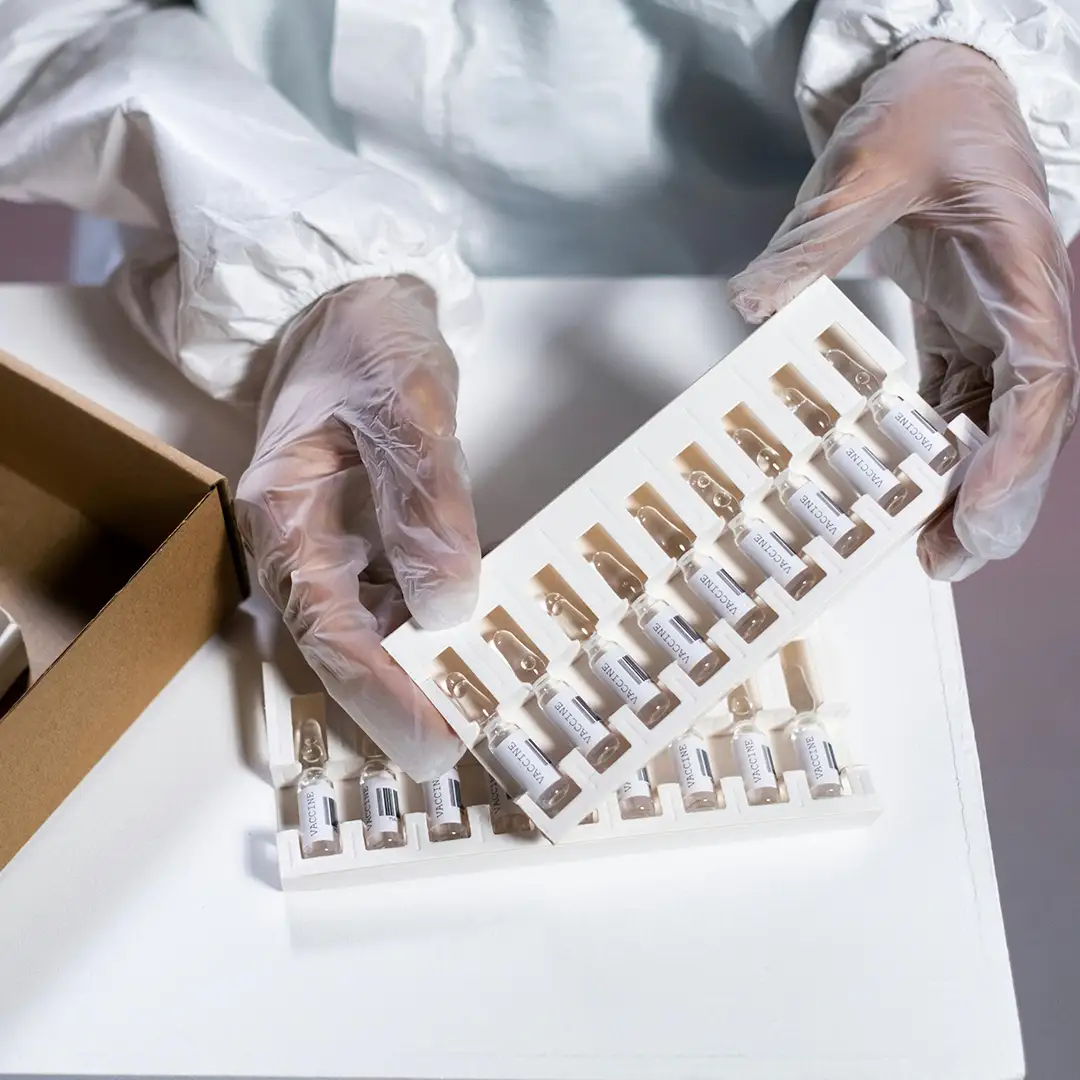
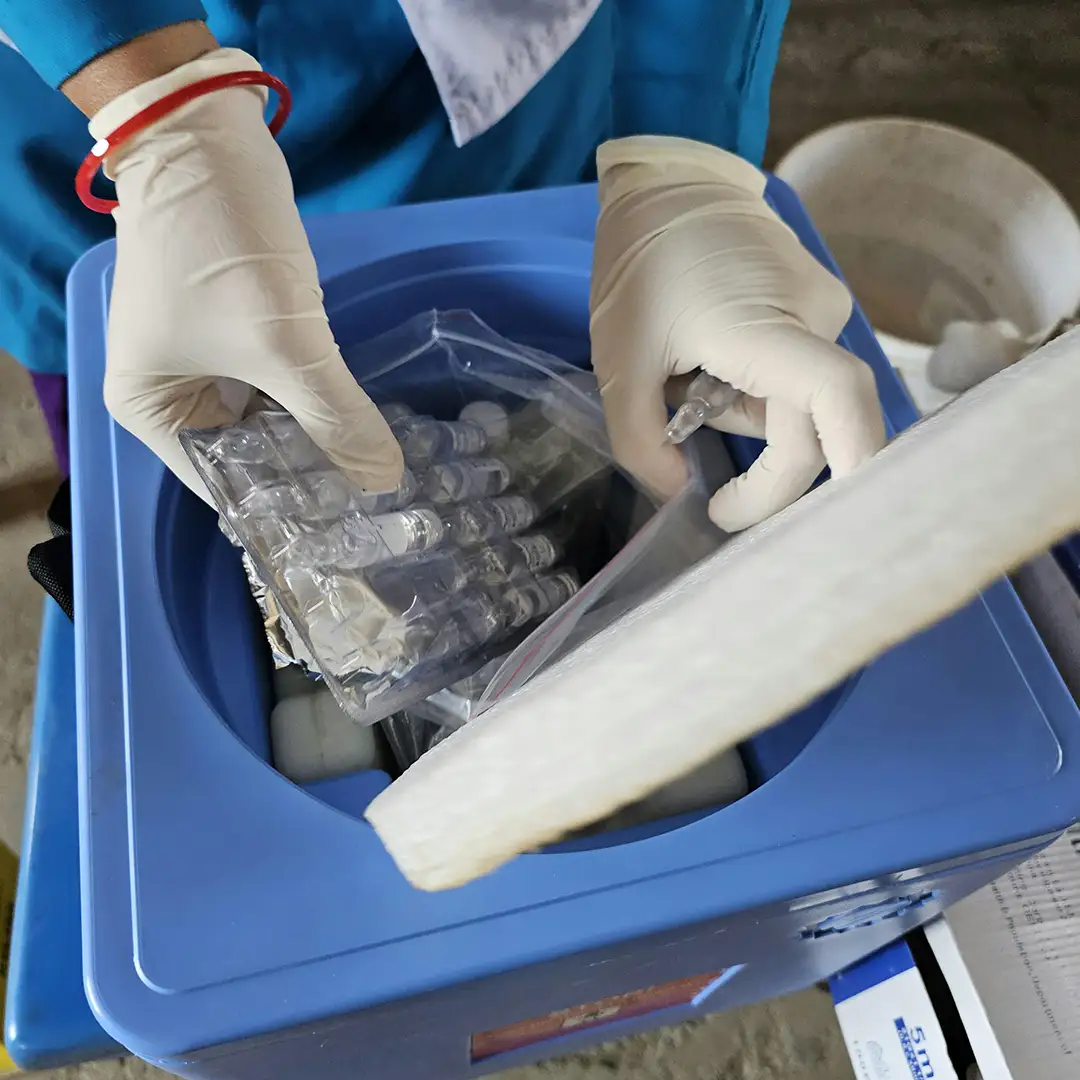


The neo® TTI is engineered for pharmaceutical and food regulatory environments where temperature monitoring is not discretionary. It is a legal requirement. Product-level TTI data provides the documented thermal history that regulators, notified bodies and quality auditors expect.

Unlike system-level loggers, the neo® TTI travels with the individual unit providing granular, item-specific thermal history that regulators increasingly require for high-risk biologics and vaccines.
The TTI’s calculated shelf life output provides auditable evidence that product viability was assessed using actual thermal history not assumed safe storage from production date alone.
Once activated, the neo® TTI’s thermal record cannot be altered, reset or manipulated without the proprietary reset unit. The LED state is a permanent, visible record of the product’s thermal experience.
Temperature alarms operate independently of the TTI calculation, ensuring that threshold breaches are flagged immediately, even before cumulative shelf life impact is fully assessed.
The neo® TTI is engineered for pharmaceutical and food regulatory environments where temperature monitoring is not discretionary — it is a legal requirement. Product-level TTI data provides the documented thermal history that regulators, notified bodies and quality auditors expect.
A time-temperature integrator (TTI) is an electronic device that monitors temperature continuously and calculates the cumulative impact of all temperature exposure on a product over time — not just whether a threshold was breached, but how much degradation that represents in terms of remaining shelf life or product viability.
The Holtronic neo®TTI uses an on-board intelligent processor to integrate all readings and display the calculated result via LED indicators.
The 2–8°C range is the internationally recognised pharmaceutical cold chain storage requirement for vaccines, most biologics, insulin and a wide range of medicines.
Defined by WHO, GDP and national regulatory guidelines, it reflects the temperature window within which most refrigerated medicines remain stable.
Above 8°C, degradation accelerates. Below 2°C, freeze damage can occur. Any excursion outside this window must be documented and assessed which is precisely what the neo® TTI is designed to do.
The neo® TTI’s intelligent processor continuously samples temperature and applies a custom-programmed response curve, based on the client’s product stability data, to each reading. It integrates all readings over time to calculate total cumulative thermal load, which is then compared against the product’s known degradation limit to determine remaining shelf life or state-of-health. This result is displayed in real time on the LED array.
Yes. A custom response curve can be programmed into the neo® TTI based on the client’s knowledge of their product’s specific temperature-degradation profile — typically derived from stability testing data.
Standard configurations are available for the most common pharmaceutical cold chain ranges (2–8°C, 15–25°C), with deep-freeze and custom configurations available on request.
Contact the Holtronic team to discuss your specific product requirements.
Request samples of the neo® TTI and test time-temperature integration in your own pharmaceutical, vaccine or food supply chain. Our UK-based team can also discuss custom response curve configuration for your specific product.